Dreaming about a quiet place in the woods is the easy part. In Lincoln County, the harder and more important question is whether you want a classic cabin setup, a more independent off-grid retreat, or something in between. If you are comparing properties here, you need more than scenic views. You need to understand access, winter conditions, water, septic, wildfire planning, and local land-use rules before you buy. Let’s dive in.
Why Lincoln County Feels Different
Lincoln County is rural, forested, and mountainous, and that setting shapes how property ownership works. County planning materials note about 17 inches of annual rainfall, with winter snowfall ranging from roughly 49 inches in meadows to more than 100 inches in deep valleys.
That means a property can look simple on paper but live very differently in real life. A cozy seasonal cabin, a year-round rural home, and an off-grid retreat may all sit on acreage, but each can come with different demands for access, utilities, and maintenance.
Cabin vs. Off-Grid Retreat
What a cabin usually means
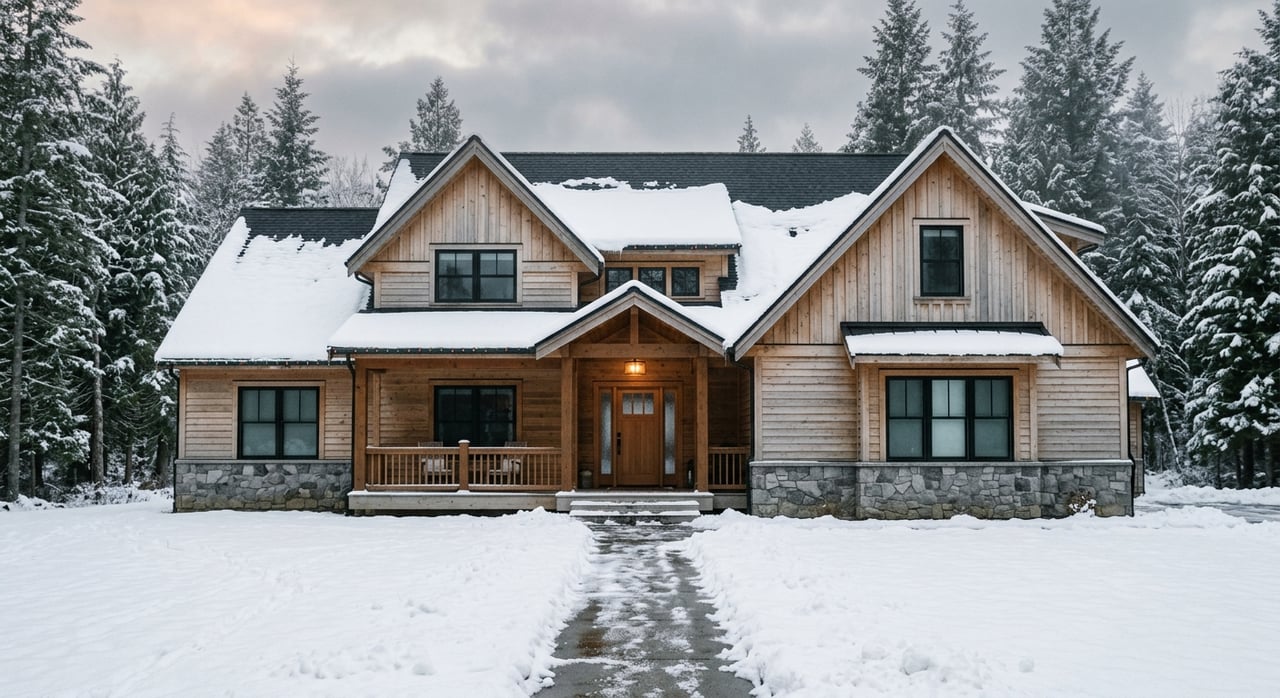
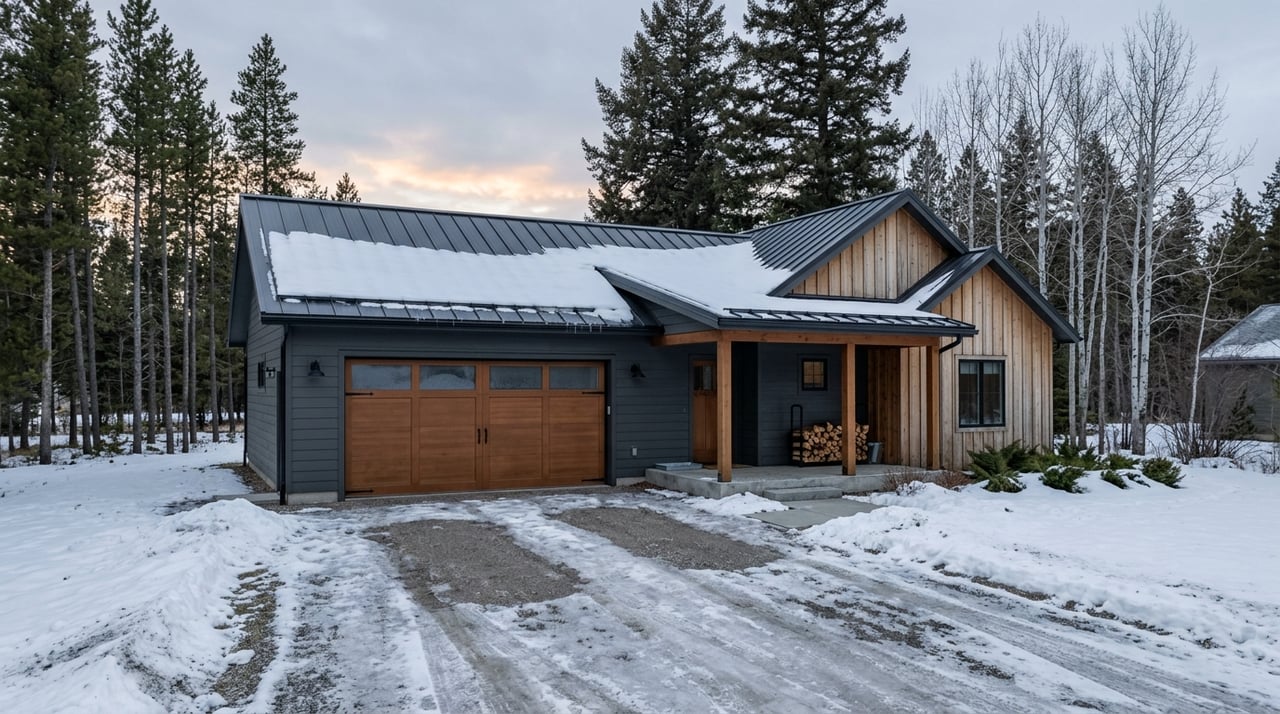
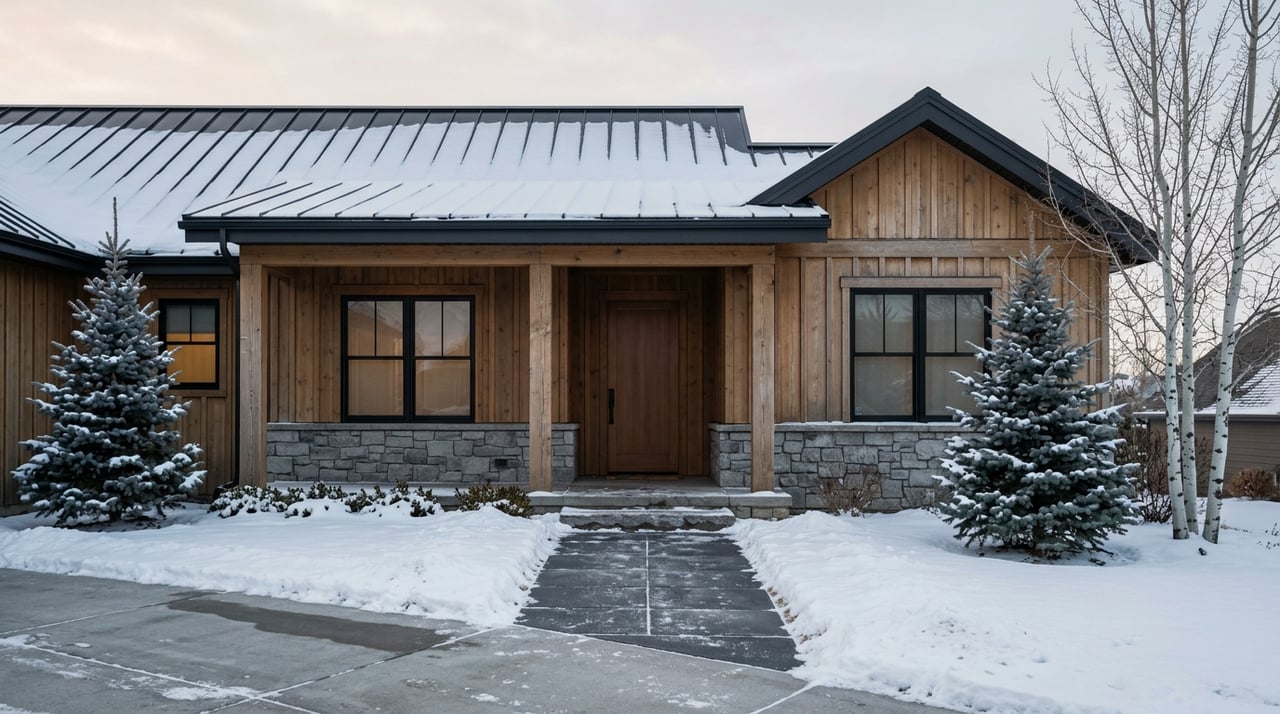
In Lincoln County, many buyers are looking at cabins on acreage, recreation-oriented lots, or rural homes with a more traditional setup. Some of these properties may have easier road access, existing utility connections, or improvements that support part-time or full-time use.
A cabin can still feel private and rustic without being fully independent from local systems. In many cases, the appeal is getting the Montana setting you want while keeping day-to-day ownership more straightforward.
What an off-grid retreat usually means
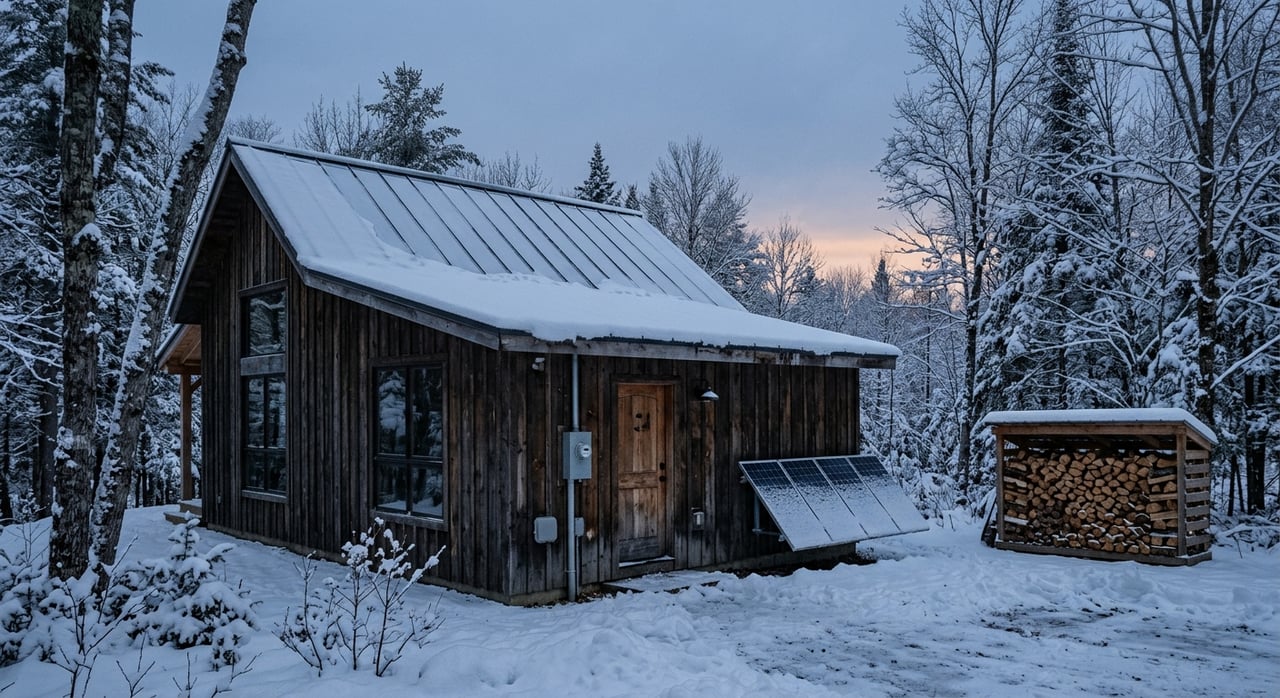
An off-grid retreat often appeals to buyers who want more privacy, fewer utility ties, and a simpler footprint. But in Lincoln County, “off-grid” does not mean “off the hook” when it comes to due diligence.
You still need to ask how the property is accessed, how water will be supplied, what wastewater approvals are required, whether floodplain rules apply, and how wildfire risk is being managed. If you are planning to create new use or rework a parcel, the review process can become more involved quickly.
Start With Year-Round Access
Ask who maintains the road
Access is one of the biggest differences between a fun retreat and a frustrating ownership experience. The Lincoln County Road Department maintains county roads, including winter plowing, culvert repairs, ditch clearing, signs, and bridges.
But not every property is on a county-maintained road. If the property is served by a private road or common access, you will want to know exactly who handles maintenance, snow removal, drainage, and emergency access.
Winter conditions matter more than listings show
County winter maintenance follows priorities, including hills and school-bus routes. Weekend plowing generally happens only after 6 inches or more of snow in lower elevations.
That matters if you plan to use the property regularly in winter. A place that seems accessible in July may feel very different during a snowy stretch, especially in deeper valleys where snowfall can be much heavier.
Driveway access is not just a convenience issue
If a new or modified approach connects to a county road, Lincoln County requires an approach permit. That is an important detail for buyers considering vacant land, a future build, or major access changes.
For properties in subdivisions with shared or private access, county materials also point to road maintenance agreements as a key part of the ownership picture. Those agreements can define practical responsibilities that affect both cost and day-to-day use.
Water and Septic Need Early Attention
Water questions to ask first
For rural property, water is usually one of the first systems to review. Lincoln County Environmental Health monitors public water systems and helps with private well testing.
The Montana Department of Environmental Quality says private wells are not regulated for water quality, and owners should do an annual well check-up and test at minimum for coliform bacteria and nitrates. If you are buying a cabin or retreat, understanding the current water source and testing history is essential.
Septic is not a casual detail
Lincoln County states that a local wastewater treatment permit is always required before a system is installed. Site evaluations must be completed by a qualified evaluator, and a county installer license is required to construct or alter most systems.
The county also notes that local wastewater rules can be stricter than minimum state standards. For buyers, that means septic questions should be part of your first review, not something to revisit after closing.
Water rights can affect your plan
If your plans involve new or expanded water use, water rights may come into play. The Montana Department of Natural Resources and Conservation states that new or expanded development using surface water or groundwater after June 30, 1973 generally requires a beneficial water-use permit or groundwater notices of intent and completion.
That does not mean every property will face the same issue. It does mean your water plan should be checked early if you are thinking beyond simple recreational use.
Floodplain Status Can Change Everything
Floodplain review is easy to overlook when you are focused on privacy, views, or acreage. In Lincoln County, it can have a major effect on what you can build, where you can improve a site, and how usable the property really is.
The county regulates floodplains under the Montana Floodplain and Floodway Management Act and its participation in the National Flood Insurance Program. County guidance states that a permit is required before construction or development in a Special Flood Hazard Area.
In the 100-year floodplain, the lowest floor must be 2 feet above base flood elevation, and noncompliant construction can be prohibited. If floodwaters affect a well or septic system, the Montana Department of Environmental Quality advises retesting and long-range precautions because contamination can persist after a flood event.
Wildfire Planning Is Part of Ownership
Fire risk is part of the local landscape
In a heavily forested county, wildfire planning is not optional background information. Lincoln County’s Fire Co-Op coordinates wildland fire protection among county, state, federal, and local districts, and the county forester’s FireSafe work helps landowners assess wildfire risk and reduce it.
County wildfire materials also focus on restrictions, closures, and landowner preparedness. That tells you fire danger is a routine ownership consideration, not a rare exception.
Smoke season deserves attention too
Wildfire smoke can affect comfort and health even when flames are not nearby. Montana DPHHS and DEQ both note that smoke can harm health and degrade indoor air, and DEQ recommends monitoring forecasts and taking indoor-air precautions when conditions are poor.
For a cabin or retreat buyer, that means thinking beyond the structure itself. Ventilation, seasonal use plans, and overall preparedness all matter.
Know When a Simple Search Becomes a Land-Use Project
Some buyers are not just shopping for an existing getaway. They are also considering parcel changes, future building plans, lease or rental use, or other improvements.
In Lincoln County, that can move you into a more formal review process. The Planning Department administers subdivision, floodplain, lakeshore, and lease/rent rules, and the county adopted updated subdivision and buildings-for-lease/rent regulations on May 27, 2026.
If a project involves creating or reshaping land divisions, Lincoln County Health Department staff review water supply, stormwater, solid waste, and wastewater under the Sanitation in Subdivisions Act. The Planning Department handles subdivision review under the Montana Subdivision and Platting Act.
County forms also highlight how much rural development depends on access and fire planning. Materials include fire risk assessment forms, road maintenance agreement documents, approach permit forms, hammerhead turnaround guidance, and private-road name and sign verification.
A Practical Buyer Checklist
Before you move forward on a Lincoln County cabin or off-grid retreat, it helps to answer these questions:
- Is access year-round or seasonal?
- Is the property on a county-maintained road or a private road?
- Who handles snow removal and road maintenance?
- Is there a recorded road maintenance agreement?
- Does the property need a new or modified road approach permit?
- How is water supplied, and has the well been tested?
- What septic system exists, and what permits or evaluations apply?
- Is any part of the parcel in a Special Flood Hazard Area?
- What wildfire risk factors affect the property?
- Which local rules apply to your intended use?
That list may not be glamorous, but it is where smart decisions happen. In a place like Lincoln County, the best property is not just the one with the best photos. It is the one that fits how you actually want to use it.
Which Option Fits You Best?
If you want a simpler path, a cabin with established access, known water and septic systems, and a clearer year-round use pattern may be the better fit. You still need to verify the details, but the ownership learning curve can be more manageable.
If you want maximum privacy or a more independent setup, an off-grid retreat may be worth the extra homework. Just go in with a clear plan and a realistic view of roads, snow, fire risk, water, wastewater, and county review requirements.
The right choice usually comes down to how you want to live on the property, not just how the property looks online. If you want help sorting through rural property questions in Northwest Montana, Nelson Schwab offers no-pressure guidance to help you compare the details that matter.
FAQs
What should you check first when buying a cabin in Lincoln County?
- Start with year-round access, road maintenance responsibility, water source, septic status, and floodplain location.
What road issues matter for off-grid property in Lincoln County?
- You should confirm whether the property uses a county road or private road, how snow removal works, and whether an approach permit or road maintenance agreement applies.
What water and septic rules affect rural property in Lincoln County?
- Lincoln County requires a local wastewater treatment permit before installing a septic system, and private well owners should test water regularly, including at minimum for coliform bacteria and nitrates.
What wildfire concerns should buyers expect in Lincoln County?
- Buyers should expect wildfire risk planning, possible restrictions or closures, and seasonal smoke conditions that can affect day-to-day use.
Why does floodplain status matter for Lincoln County retreats?
- Floodplain rules can affect whether and how you build, and flooding can also create lasting concerns for wells and septic systems.
When does a Lincoln County property purchase become a land-use project?
- If you plan to divide land, change access, build in regulated areas, or pursue lease or rental arrangements, local planning and health review may become part of the process.