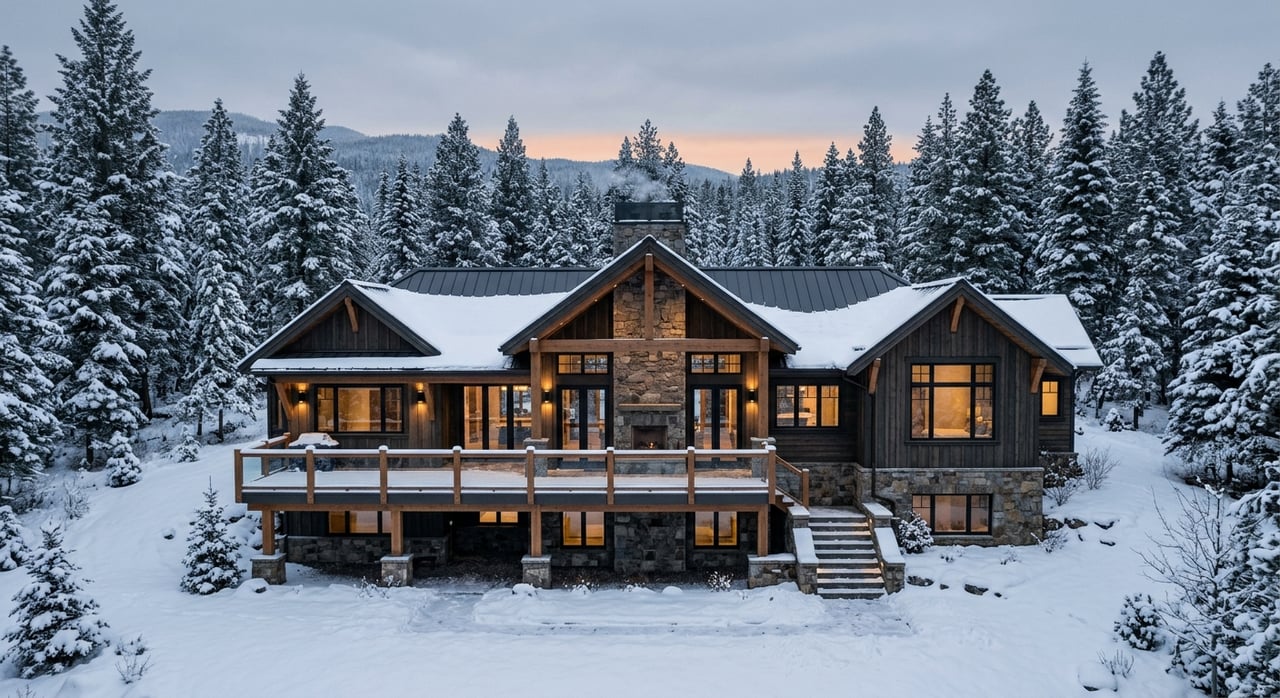
Dreaming about a second home near Flathead Lake is easy. Choosing the right property in Lake County is where things get real. If you are just starting your search, it helps to know how lake access, roads, permits, taxes, and seasonal use can shape your experience. This guide will help you compare your options and focus on the questions that matter most. Let’s dive in.
Why Lake County draws second-home buyers
Lake County offers a wide range of second-home lifestyles in one part of northwestern Montana. The county includes Polson on the southern shore of Flathead Lake, and county information notes that Flathead Lake is the largest natural freshwater lake west of the Mississippi.
That variety is a big part of the appeal. You can look at properties near town, along the shoreline, or farther out in quieter rural settings. Each option can fit a different kind of second-home plan, whether you want easy weekend visits, more privacy, or a place centered on recreation.
Start with your use pattern
Before you compare homes, get clear on how you want to use the property. A second home can mean a personal retreat, a part-time seasonal base, or a property you may also use as a short-term vacation rental.
That choice affects more than your lifestyle. Montana Department of Revenue guidance for 2026 separates primary residences and long-term rentals from second homes and short-term vacation properties, with second homes and short-term rentals placed in the 1.90 percent flat-rate category. It is also a reminder that your intended use can shape your carrying costs.
Compare Lake County location types
Town-centered options
If convenience matters most, a town-centered location may be the right starting point. Being closer to services, everyday errands, and established streets can make a second home easier to manage, especially if you live out of the area.
For many buyers, this setup works well when the goal is simple weekend use with less upkeep. You may give up direct shoreline access or more seclusion, but you can gain a more predictable ownership routine.
Shoreline properties
If your vision of a second home starts with being near the water, shoreline property may be the best fit. These homes can deliver immediate lake access and a strong connection to the setting that draws many buyers to Lake County in the first place.
At the same time, shoreline homes need more careful due diligence. Lake County Planning handles lakeshore construction permitting and floodplain development and permitting, and updated lakeshore regulations are in effect as of February 1, 2026 for Flathead Lake, Lake Mary Ronan, and Swan Lake.
The county defines the lakeshore protection zone as land within 20 horizontal feet of the high-water perimeter. A lakeshore permit also does not replace any other required state, tribal, or federal permit. That means waterfront ownership can involve more layers of review than buyers expect at first.
Rural and cabin-style properties
If privacy and a retreat feel are at the top of your list, rural properties may stand out. These can offer more space, quieter surroundings, and a cabin-style ownership experience that feels removed from busier areas.
They can also bring more infrastructure questions. County subdivision review criteria specifically consider water systems, wastewater systems, stormwater, flood plains, steep slopes, roads, emergency response access, and wildfire-related conditions. For a second-home buyer who will not be there full time, those details matter a lot.
Know how zoning shapes your search
Lake County has 16 zoning districts, including lake-oriented districts such as East Shore, Finley Point, Lake Mary Ronan, Swan Sites, and Upper West Shore. For buyers, zoning is not just a planning term. It helps explain how one area may feel very different from another.
This is one reason broad online searching only gets you so far. A neighborhood-first approach helps you compare convenience, shoreline character, privacy, and access in a more practical way.
Look closely at access and infrastructure
A second home is easier to enjoy when the basics work well. In Lake County, that means looking beyond the home itself and digging into how the property functions day to day.
Here are some of the biggest items to review early:
- Road access and seasonal maintenance
- Water source and system details
- Wastewater or septic system status
- Stormwater and drainage conditions
- Emergency response access
- Wildfire-related site conditions
- Shared-well or shared-road arrangements, if applicable
The county road department maintains roads and bridges and provides forms related to private-road signs, road approaches, and road encroachments. On rural or subdivision properties, these details can affect convenience, maintenance planning, and your comfort level as an absentee owner.
Shoreline and water-use questions matter
In Lake County, water access is not always as simple as it looks on a map. The county is home to the Confederated Salish and Kootenai Tribes of the Flathead Nation, and Flathead Lake park-unit guidance notes that recreation on tribal land outside the parks can require a tribal recreation permit and tribal fishing license on the southern half of Flathead Lake and other reservation waters.
For second-home buyers, that means access and use rules can vary by parcel and location. If recreation is a major reason you are buying, it is smart to confirm what applies to the specific property and surrounding area.
Budget for more than the mortgage
A second home budget should include more than a loan payment. In Lake County, recurring costs often depend on the property type, how often you use it, and how much oversight it needs while you are away.
Your working budget may need to include:
- Property taxes and any special fees or assessments
- Road maintenance or access-related costs
- Wildfire mitigation work
- Septic or wastewater system service
- Seasonal property checks or maintenance coordination
Montana’s 2026 property-tax guidance says county treasurers usually mail tax bills in late October, with due dates of November 30 and May 31. Those bills can also include special fees and assessments, so it helps to build in room beyond your base tax estimate.
Wildfire readiness is part of ownership
Wildfire is not a side issue in Lake County. The county’s Community Wildfire Protection Plan says the county has an extensive history of large wildfires and has seen more intense and destructive fires in recent years.
That does not mean rural or wooded properties are off the table. It means wildfire readiness should be part of your decision from the start. The county fire-mitigation office offers landowners access to state and federal mitigation funding for thinning, pruning, slash disposal, and Home Ignition Zone work, and county community services offers emergency-alert sign-up.
Use county tools early
If you are buying from out of the area, local records can help you narrow your search before you fall in love with the wrong property. Lake County points buyers to tools such as GIS, cadastral mapping, document search, the Plat Room, and a newcomer starter packet.
The Plat Department maintains surveys and property-transfer history, while the GIS department provides map products to the public and county departments. These county-first resources can help you verify location, parcel details, and record history early in the process.
Know which local office handles what
One of the easiest ways to save time is knowing where your questions should go. In Lake County, several departments play a direct role in second-home research.
Planning Department
For waterfront, flood-sensitive, or permit-heavy parcels, the Planning Department is often the first stop. The county says this office handles subdivision review, certificate-of-survey and plat review, zoning administration, building-notification permitting, lakeshore construction permitting, floodplain development and permitting, and property research.
Environmental Health
For rural homes and cabins, Environmental Health can be especially important. The county’s septic search request can help confirm whether a parcel has a wastewater treatment system and where it is located.
The wastewater page also says all wastewater treatment systems in the county must be designed by a Montana-licensed professional engineer or registered sanitarian, with licensed septic installers listed by the county. That is valuable information when you are evaluating an older cabin, a vacant parcel, or a property with limited documentation.
How Bigfork compares
Some second-home buyers also consider Bigfork as part of the broader Flathead Lake market. It is best viewed as a nearby comparison area rather than a Lake County location. Flathead County points readers to Bigfork-area community resources, and Bigfork’s community site describes it as an unincorporated community in southeast Flathead County.
For you, that means the comparison is really about lifestyle and geography first, then county-specific records and rules. If you are weighing Lake County against nearby areas like Bigfork, it helps to compare how each option matches your preferred mix of lake access, town convenience, and privacy.
A practical way to get started
You do not need to solve every detail on day one. The best first step is to narrow your search by lifestyle, then confirm how the property works in the real world.
A simple process looks like this:
- Decide how you want to use the second home.
- Compare town, shoreline, and rural settings.
- Review zoning, access, and infrastructure questions.
- Check county records and parcel history.
- Confirm permit, septic, floodplain, and lakeshore issues.
- Build a realistic carrying-cost budget.
- Work with local professionals who know the area.
The research process usually starts with county records, then moves to a local buyer’s agent, inspector, title company, lender, and any property manager or maintenance help you may want for a part-time home. That kind of local support can make a big difference, especially when you are buying from outside Montana.
If you are in the early stages of buying a second home in Lake County, the goal is not just to find a beautiful property. It is to find one that fits your lifestyle, your budget, and the level of ownership complexity you actually want. When you take that approach, your search gets clearer and your decisions get easier.
If you want help comparing Lake County with nearby Flathead Lake communities and sorting through the details that matter most, Nelson Schwab is here to offer clear, local guidance with a no-pressure approach.
FAQs
What should you decide first when buying a second home in Lake County?
- Start by deciding how you want to use the property, such as personal use, seasonal use, or possible short-term rental use, because that affects location, upkeep, and property-tax classification.
What makes shoreline property in Lake County different from other second-home options?
- Shoreline property can involve added due diligence because Lake County Planning handles lakeshore construction permitting and floodplain permitting, and lakeshore rules apply to certain lakefront areas.
What recurring costs should second-home buyers budget for in Lake County?
- In addition to the mortgage, budget for property taxes, possible fees and assessments, road-related costs, wildfire mitigation, wastewater or septic service, and property care while you are away.
What county offices help with second-home research in Lake County?
- The main offices to know are the Planning Department for zoning, lakeshore, floodplain, and subdivision questions, and Environmental Health for wastewater and septic research.
How do rural second homes in Lake County differ from town properties?
- Rural properties often require closer review of roads, water, wastewater, emergency access, steep slopes, and wildfire-related conditions, while town properties may offer a simpler ownership setup.
How should buyers compare Lake County and Bigfork for a second home?
- Compare them based on your preferred lifestyle, including town convenience, shoreline access, and privacy, while remembering that Bigfork is in Flathead County and should be treated as a nearby comparison area rather than part of Lake County.