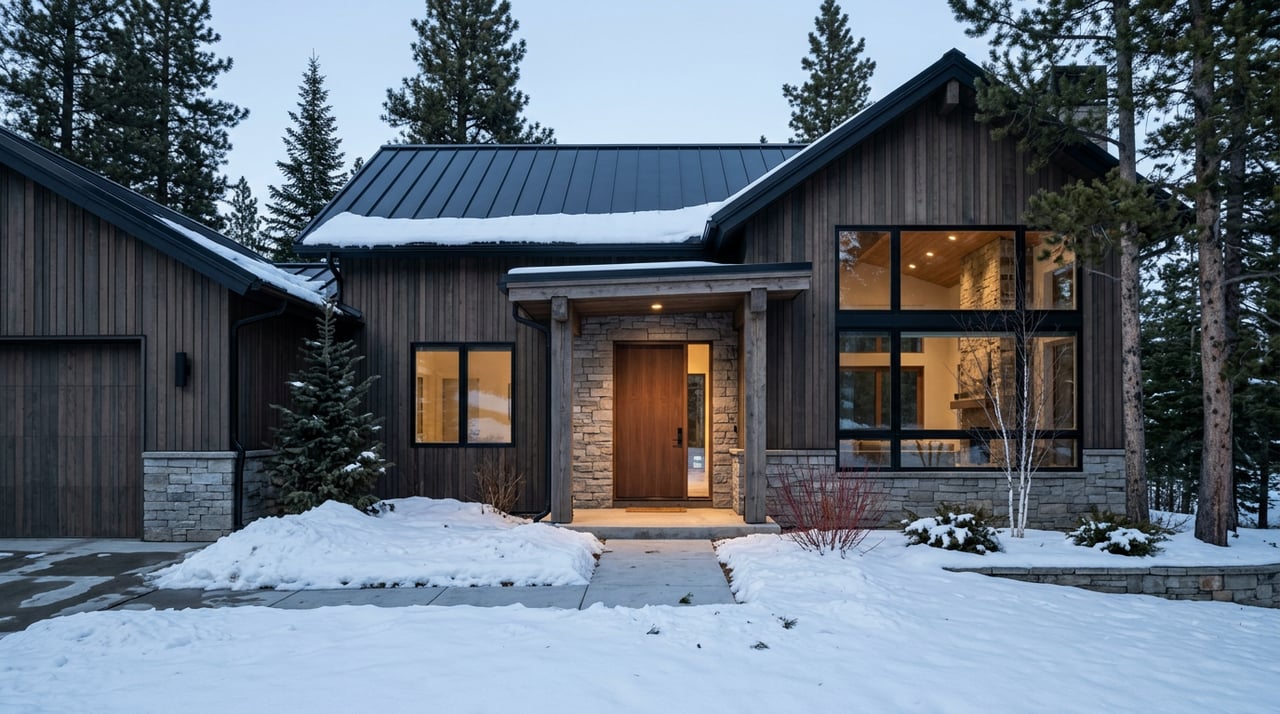
If you are drawn to Whitefish for its ski runs, lake life, or quiet luxury, you are not alone. High-end homes here blend mountain lodge character with modern comfort and privacy, and the market behaves differently than a typical suburban neighborhood. In this guide, you will learn how “luxury” is defined locally, what pricing and timing look like right now, and how to position yourself to buy or sell with confidence. Let’s dive in.
What counts as luxury in Whitefish
Luxury is relative to the local market. Industry practice defines luxury by percentiles rather than a single dollar cutoff. Entry-level luxury often starts near the top 10 percent of recent sales, prime luxury near the top 5 percent, and ultra-luxury at the top 1 percent. That framework helps you compare apples to apples across neighborhoods and seasons. The Institute for Luxury Home Marketing’s annual review and industry analysis support this approach.
For Whitefish, the most reliable way to set a local cutoff is to calculate the 90th and 95th percentile of closed sales in zip 59937 over the last 90 to 180 days. Your agent can pull this from the MLS and update it as the market moves. This keeps the definition current and grounded in local data.
Based on early 2026 public signals and active listings, here is how price bands commonly break down in Whitefish today:
- Upper-mid or attainable luxury: about $1.5 million to $2.5 million. You will see high-end ski condos, remodeled homes with quality finishes, and smaller lakefront or view properties in this range.
- Prime luxury: roughly $2.5 million to $5 million. Larger custom homes, premium ski-in or ski-out residences, and larger lakefront parcels with upgraded amenities land here.
- Trophy or estate: $5 million and up. These are Whitefish Lake estates, large private ranch-style lodges, and properties with exceptional acreage or shoreline. Some offerings reach well into eight figures.
Whitefish is a small resort market, so a single significant new listing or sale can shift reported medians. Always attach a date to any number you quote and confirm current percentiles before you list or write an offer.
Market snapshot and timing in 2026
Public real estate portals reported city and zip-level median sale prices for Whitefish in the roughly $1.1 million to $1.325 million range in early 2026. Numbers vary by site and timeframe because each source treats active, pending, and closed data differently. The key takeaway is that luxury in Whitefish starts above the overall median and moves with inventory and seasonality.
Days on market at the city level often show triple-digit figures since the data blends everything from entry-level condos to one-of-a-kind lakefront estates. At the luxury tier, a well-positioned listing can move faster than the broad average. The national composite for luxury properties has shown days on market in the mid-20s to 30s, which underscores how precision in pricing and presentation can compress timelines for the right home and audience. You can see that emphasis on precision in the 2025 Luxury Market Review.
Seasonality matters. Whitefish has multiple demand peaks because buyers come for different lifestyles. Ski-oriented properties tend to see heightened attention in late fall, winter, and early spring. Lakefront and summer-use homes typically draw more tours in late spring through mid-summer. If you are listing, match your launch window to the property’s lifestyle. If you are buying, watch for off-peak opportunities when competition eases. For context on the resort experience that shapes winter demand, explore the Whitefish Mountain Resort profile from the local chamber.
What luxury buyers look for
Property types you will see
- Ski-in or ski-out townhomes and private residences near the lifts. These often feature gear storage, heated garages, and easy access to the mountain.
- Whitefish Lake estates with private docks, generous shoreline, guest spaces, and big-water views. These command top-tier pricing when available.
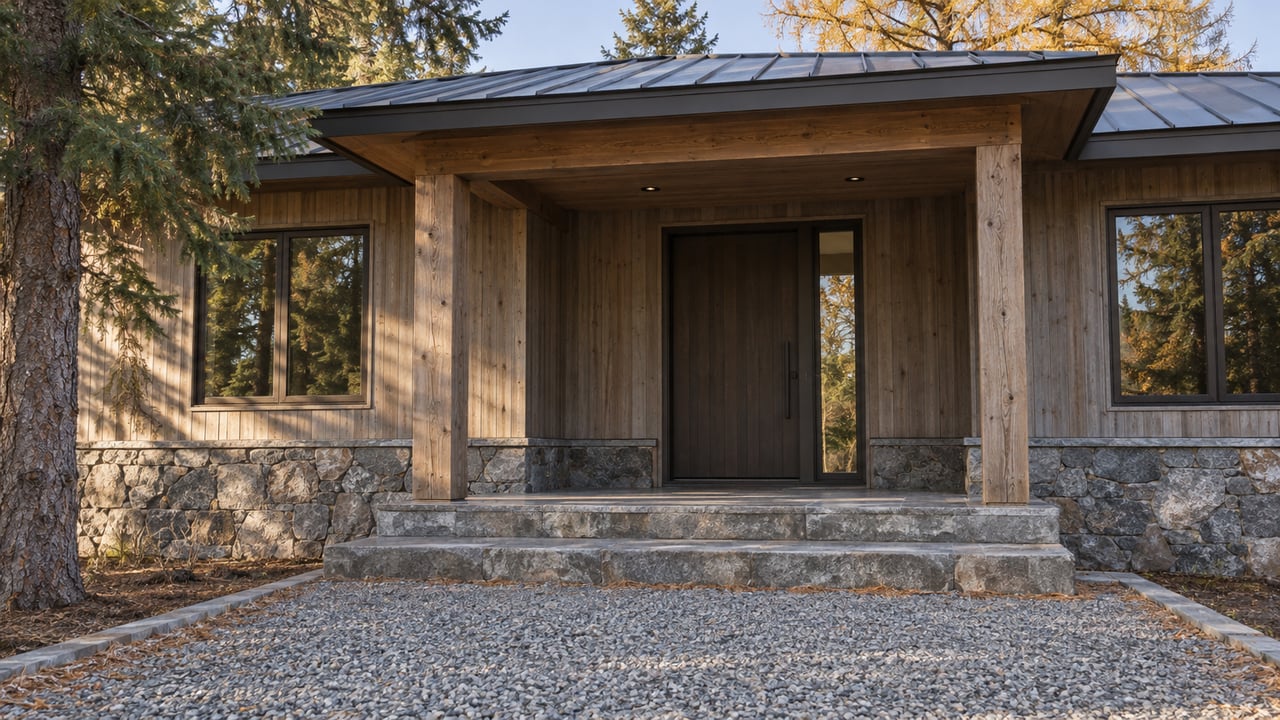
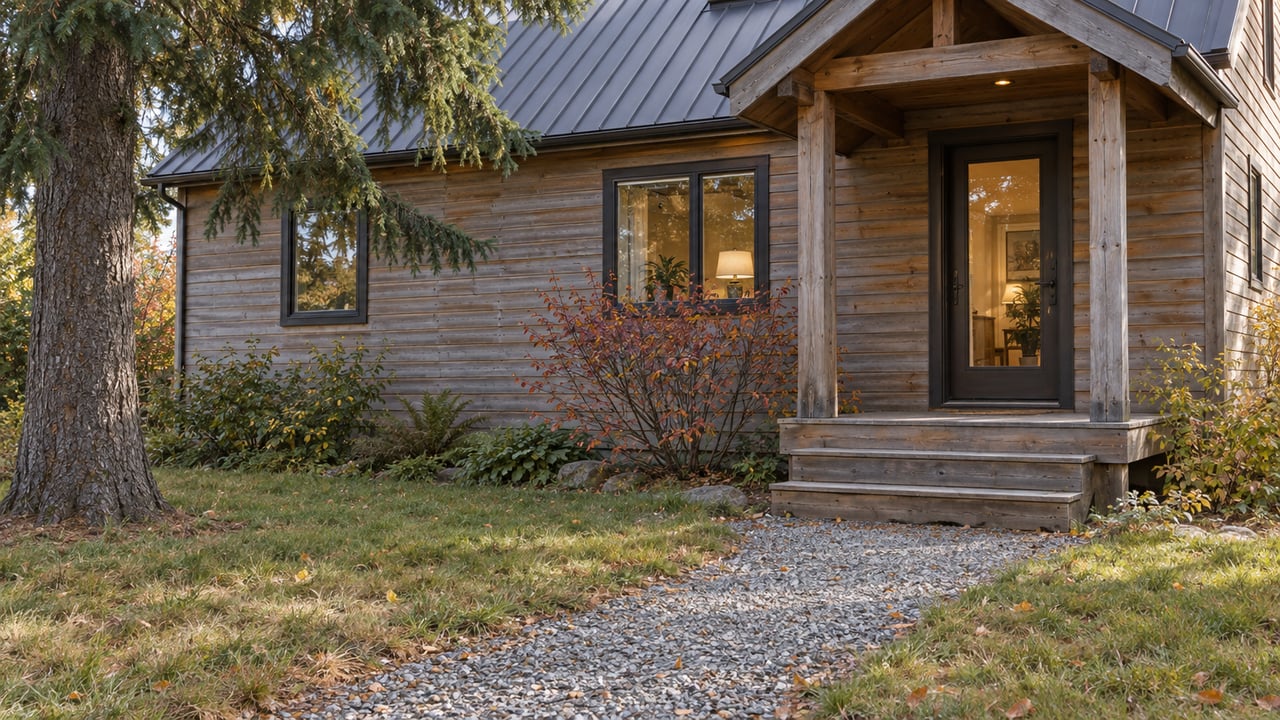
- Acreage and lodge-style homes outside downtown with timber craftsmanship, long sightlines, and strong privacy. Many include space for equipment, trails, or equestrian facilities.
Common features and finishes
- Custom kitchens with premium appliances, stone and timber details, and large great rooms designed for hosting.
- Multiple bedroom suites and guest quarters to accommodate visitors.
- Heated driveways and garages sized for trucks, boats, and ATVs.
- High-end systems like radiant heat, whole-house filtration, and backup or energy-resilient components.
- For lakefront: docks, boathouses, and thoughtful shoreline access. For ski properties: locker rooms, hot tubs, and proximity to resort amenities.
Neighborhoods and micro-markets to watch
- Resort area and Upper Village, including slope-adjacent enclaves like Moose Run and Northern Lights. Inventory here is shaped by lift access and onsite amenities.
- Whitefish Lake shoreline neighborhoods, including Lakeshore Drive and other established lake communities where frontage and view corridors drive value.
- Private and gated communities such as Iron Horse, along with larger-acreage properties just outside town.
- Downtown and Central Avenue, where walkability and lifestyle access support premium pricing for select residential or mixed-use properties.
Each micro-market has its own set of covenants, views, and access factors. Confirm neighborhood rules, utility details, and any special assessments early in your process.
How luxury deals work differently
At the top end, buyer motivations and transaction mechanics shift. Many luxury buyers are out-of-state or are purchasing a second home that supports a specific lifestyle. Cash or low-leverage purchases are more common than in the broader market, which can shorten timelines and reduce appraisal uncertainty. If you are financing, anticipate a careful appraisal review and plan your pricing or offer strategy accordingly.
Due diligence also goes deeper. Expect shoreline or permit research, septic capacity checks where applicable, well or water-rights verification, mechanical system documentation, and a close read of community covenants. Sellers who prepare a pre-listing inspection and a detailed maintenance and upgrade log usually reduce friction during negotiations.
Privacy is a priority for many high-net-worth clients. You can discuss private showings and limited pre-market exposure with your broker, but make sure your approach follows local MLS rules. The Clear Cooperation Policy outlines how and when a listing must be shared once it is publicly marketed. Many luxury sellers use a short, discreet pre-market period followed by a full launch to balance discretion with maximum reach.
Finally, understand the tax and regulatory backdrop. Montana enacted changes that increase property taxes for many non-homestead or second homes beginning in 2026, with stepped rates and exemptions that vary by use and county. If you own or are purchasing a luxury second home or an income property, model carrying costs with your CPA. The Montana Free Press explainer provides helpful context.
Pricing, staging, and marketing at the luxury level
Precision pricing is critical because the pool of true comparables is smaller. Use a percentile-based CMA and build two pricing paths before launch: one that emphasizes faster market capture and one that prioritizes maximum net proceeds with a longer runway. The concept is highlighted in the 2025 Luxury Market Review and applies strongly in boutique markets like Whitefish.
Staging and media quality have an outsized impact at this tier. National research shows staging correlates with shorter time on market and improved buyer perception. For luxury listings, expect larger budgets for professional staging, high-end photography, cinematic video, drone work, floor plans, and a polished single-property website. Review the methodology and consumer impact in the NAR Profile of Home Staging.
Marketing should tell a lifestyle story and reach beyond local boundaries. Strong campaigns include targeted digital distribution to likely feeder markets, global syndication on luxury channels, and invite-only previews for qualified prospects. For a helpful overview of the channels and creative assets often used, see this luxury real estate marketing playbook.
Seller checklist for Whitefish luxury
- Ask for a 90th and 95th percentile CMA using 90 to 180 days of local sales and actives. Review sale-to-list ratios and realistic days-on-market ranges for your price band.
- Commission a pre-listing inspection and compile a written maintenance and upgrade log. Include permits and warranty info where available.
- Approve a media-forward launch plan: professional photos, cinematic video, aerials, floor plans, and a single-property website. Clarify the budget and timeline.
- Decide on a pricing path: market-capture or value-maximization. Revisit after 14 days based on feedback and data.
- Model carrying costs with your CPA, including how Montana’s second-home tax changes could affect your net if the property is not homestead-qualified.
- Discuss privacy preferences, MLS rules, and whether a brief pre-market window makes sense before going fully public.
Buyer checklist for Whitefish luxury
- Request comps at the 90th and 95th percentile and a micro-market inventory scan that matches your property type: ski-access, lakefront, or acreage.
- Line up proof of funds or a high-capacity pre-approval early. Ask your lender about non-traditional options if a standard 30-year product is not optimal.
- Budget for enhanced due diligence: shoreline permits, septic and well tests, easements, utility details, and any HOA or community covenants.
- If you plan to rent, confirm short-term rental rules and projected operating costs before you write.
- Choose timing that fits the lifestyle you want. Consider off-peak touring for leverage and availability.
Next steps
If you are planning a move in 2026, define your success criteria first. Sellers should confirm current percentile cutoffs, choose the right launch window, and align pricing with a clear marketing plan. Buyers should clarify must-have lifestyle features, set a budget that accounts for due diligence and ownership costs, and have funds ready so you can act quickly when the right home appears.
Want a local, no-pressure walkthrough of your options in Whitefish? Schedule a free consultation with Nelson Schwab to get a percentile-based pricing review, a tailored marketing plan, or a curated property list aligned to your goals.
FAQs
What price point defines a luxury home in Whitefish in 2026?
- Luxury is best defined by local percentiles. Entry luxury often starts near the top 10 percent of recent sales, with prime luxury near the top 5 percent; ask your agent to calculate current 90th and 95th percentile cutoffs from the Whitefish MLS.
How long do luxury homes in Whitefish take to sell?
- City-level days on market can look long because they blend all price tiers, but a well-positioned luxury listing can move faster. National luxury composites have shown mid-20s to 30 days on market, and local timing depends on pricing, presentation, and season.
When is the best time to list a ski or lake property in Whitefish?
- Ski-access homes often perform best when launched in late fall through early spring, while lakefront and summer-use properties see peak touring from late spring into early summer. Match timing to the lifestyle your property delivers.
What features add the most value to Whitefish luxury listings?
- For ski properties, true ski-in or ski-out access, gear storage, and premium finishes stand out. For lakefront, private docks, quality shoreline access, guest spaces, and unobstructed views tend to drive value.
How do Montana’s second-home tax changes affect luxury buyers and sellers?
- Beginning in 2026, many non-homestead or second homes will see higher property taxes due to state changes. Model the impact on your purchase or sale with your CPA; the Montana Free Press provides a helpful overview of the policy.