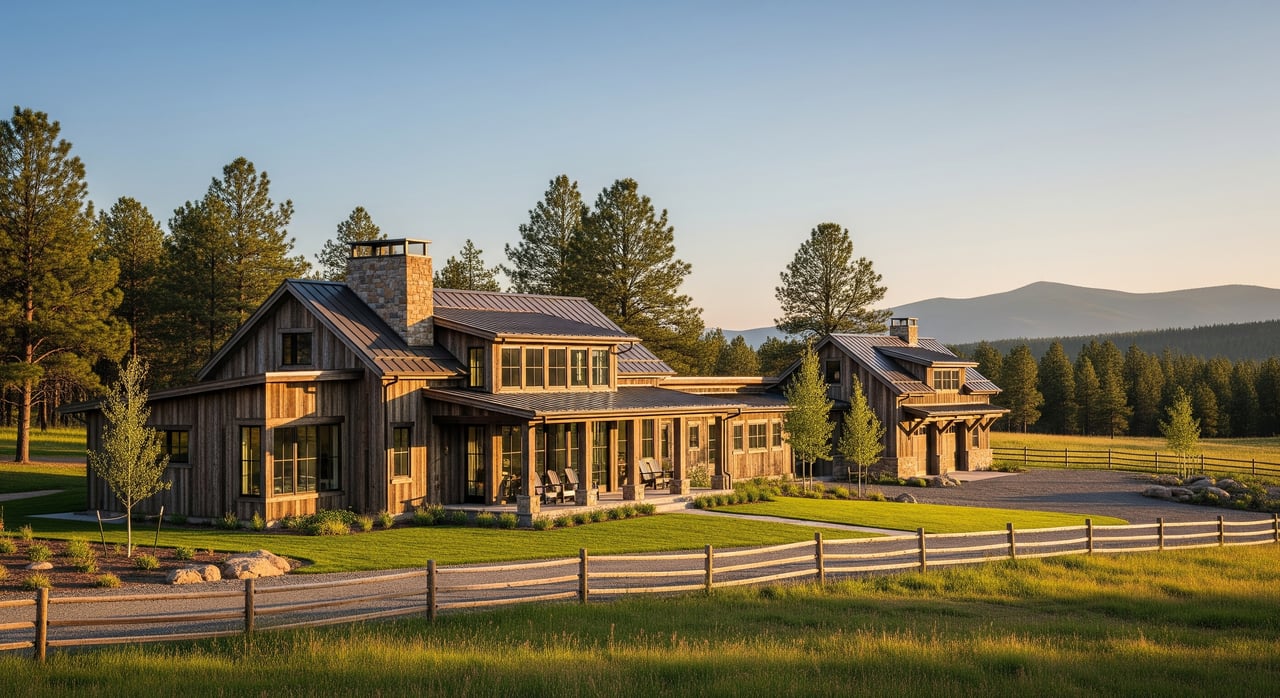
Trying to choose between a USDA or FHA loan for a home in Lincoln County? You are not alone. First-time and budget-conscious buyers in places like Libby, Troy, and the county’s rural communities often compare these options. In this guide, you will learn how each loan works, who qualifies, the real costs, what to watch for with rural properties, and the exact steps to get prequalified with confidence. Let’s dive in.
USDA vs FHA: quick overview
USDA at a glance
- Helps low to moderate income buyers purchase in eligible rural areas.
- Loans are made by private lenders and guaranteed by USDA.
- Primary residence only; 1–4 unit single-family homes are typical.
- Often offers true zero down for eligible buyers and properties.
- Household income must be under local limits and the home must be in a USDA-eligible area.
- Learn more on the USDA Rural Development page for the Single Family Housing Guaranteed Loan Program.
FHA at a glance
- Insures loans made by FHA-approved lenders to expand access to credit.
- Primary residence only; 1–4 unit homes, some condos, and certain manufactured homes may qualify.
- No rural or urban location rule and no program income limit.
- Lower down payment options with flexible credit requirements.
- Explore program basics on HUD’s FHA Single Family Housing resources.
Key differences that matter in Lincoln County
Location rules
- USDA requires the property be in a USDA-eligible area. Much of Lincoln County is rural, and many addresses may qualify, but eligibility is always address-specific. Check any property on the USDA property eligibility map before you shop.
- FHA has no rural or urban restriction, so you can buy in any part of Lincoln County that meets FHA property standards.
Down payment
- USDA can provide 0% down financing for eligible buyers and eligible properties.
- FHA requires a minimum 3.5% down payment with a 580+ credit score, and 10% down for scores between 500 and 579, subject to lender policies.
Income and credit
- USDA uses household income limits that vary by county and household size. Review the USDA income rules and talk with lenders to confirm how your household income is calculated.
- FHA has no program income limit. FHA’s credit guidelines allow for lower scores than many conventional loans, though lenders may set higher minimums.
Loan limits and maximum size
- FHA has county-based loan limits that cap how much you can borrow with FHA insurance. You can look up current limits on HUD’s site.
- USDA Guaranteed loans do not use FHA-style county loan limits. The practical maximum depends on the lender’s underwriting, your income and debts, and the property value.
Costs: upfront and monthly
Choosing the right loan is not only about down payment. You also pay government insurance or guarantee fees that affect your monthly payment and long-term cost.
USDA fees
- USDA Guaranteed loans include an upfront guarantee fee that lenders usually finance into the loan, plus a small annual fee paid monthly. Rates can change, so confirm current fees on USDA’s program page and in your Loan Estimate.
- Bottom line: You can often buy with zero down, but you will pay guarantee fees that raise the effective cost.
FHA mortgage insurance
- FHA loans require an upfront mortgage insurance premium that is typically 1.75% of the loan amount, often financed into the loan. Confirm current details on HUD’s FHA resources.
- FHA also charges an annual mortgage insurance premium that is paid monthly. The amount depends on the loan term, loan-to-value, and when your case number is assigned. In many cases, MIP continues for the life of the loan unless certain conditions are met.
- Bottom line: FHA is flexible on credit and property types, but both upfront and monthly MIP add to your total cost.
Property and rural realities in Lincoln County
Rural homes can come with unique underwriting details. Plan ahead and you can avoid delays.
Septic and well systems
Both USDA and FHA require safe water and sanitation. Private wells and septic systems must function properly. If the appraisal or inspections flag issues, expect additional testing, repairs, or repair escrows before closing.
Road access and maintenance
You need legal and year-round access. Private roads often require a road maintenance agreement that outlines responsibilities. Seasonal or limited access can complicate financing, so get documents early.
Wildfire risk and insurance
Lenders require hazard insurance. In higher wildfire risk areas, insurance availability and premiums can affect your monthly payment. Shop insurance early and share quotes with your lender.
Appraisal and repairs
An FHA- or USDA-compliant appraisal will identify health, safety, and structural concerns. These issues must be fixed before closing or handled through an approved repair escrow. Factor this into negotiations and timelines.
Manufactured homes and condos
- FHA insures certain manufactured homes and some condos that meet FHA requirements.
- USDA allows certain manufactured homes under program rules. Local zoning and lender policies also matter. Ask your lender early if your property type is eligible.
Which loan fits your situation?
- Choose USDA if you want 100% financing, your household income fits USDA limits, and the property address is in an eligible area. This can be a strong fit in many parts of Lincoln County.
- Choose FHA if you need flexible credit guidelines, plan to buy in an area that is not USDA-eligible, want more property type options like some condos, or your household income exceeds USDA limits.
- Either program can work for buyers around a 620 score. Lender overlays vary, so compare several lenders and request side-by-side estimates.
Step-by-step: get prequalified in Lincoln County
- Check USDA property eligibility
- If you are considering USDA, run a quick address search on the USDA property eligibility tool and save a screenshot for your lender.
- Review FHA loan limits for the county
- Use HUD’s site to look up the current FHA mortgage limit for a single-family home in Lincoln County before you set your price range.
- Confirm household income for USDA
- Review USDA’s income eligibility information to see how your household size and income are counted. Ask a lender to verify.
- Gather your documents
- Government ID and Social Security number
- Two years of W-2s and/or federal tax returns
- 30 days of recent pay stubs
- Two months of bank statements
- A list of monthly debts and any rent history
- Shop 2–3 lenders
- Ask each lender about USDA Guaranteed and FHA options, down payment requirements, minimum credit score, maximum debt-to-income guidelines, and current rates.
- Request written Loan Estimates
- Get side-by-side Loan Estimates that show your total monthly payment, upfront costs, and the government fees line items: USDA guarantee fees vs FHA UFMIP and annual MIP. Compare 5-year and total-of-payments figures.
- Flag property issues early
- For rural homes, ask about well and septic documentation, road access agreements, and insurance quotes. Provide seller disclosures to your lender so potential issues can be addressed early.
Helpful official resources
- Learn about the USDA Single Family Housing Guaranteed Loan Program on USDA Rural Development’s site.
- Check any address on the USDA property eligibility map.
- Review USDA income eligibility information for Guaranteed loans.
- Explore FHA program basics and resources on HUD’s FHA Single Family Housing page.
- Look up FHA mortgage limits for Lincoln County on HUD’s site.
Ready to compare your options?
If you are looking at homes in Libby, Troy, or anywhere in Lincoln County, you deserve clear guidance tailored to rural Montana. Compare USDA and FHA with a local eye on property condition, access, and insurance so you can move forward with confidence. When you are ready to talk through your budget, area fit, and lending options, reach out to schedule a friendly, no-pressure consult with Nelson Schwab. You will get practical next steps and introductions to lenders who do a lot of business in our region.
Schedule your free consultation with Nelson Schwab to get started today.
FAQs
What is the main difference between USDA and FHA loans?
- USDA is for eligible rural areas and has income limits with possible zero down. FHA has no location or income limit and requires at least 3.5% down for many borrowers.
Are most homes in Lincoln County eligible for USDA financing?
- Many areas may be eligible, but it is not automatic. You must confirm each property address on the USDA property eligibility map.
How much down payment do I need with FHA in Lincoln County?
- With a 580+ credit score, FHA often allows 3.5% down. With scores between 500 and 579, a 10% down payment may be required, subject to lender policies.
Which loan has lower monthly costs over time, USDA or FHA?
- It depends on loan size, interest rate, and how long you keep the home. Compare written Loan Estimates that show upfront fees and monthly mortgage insurance or guarantee fees.
Can I buy a manufactured home with USDA or FHA in Lincoln County?
- Both programs allow certain manufactured homes, but eligibility depends on program rules, local zoning, and lender policies. Ask your lender early and plan for extra documentation.
Do USDA or FHA loans have strict property condition rules?
- Yes. Both require minimum standards for safety, soundness, and sanitation. Appraisal findings like well, septic, roof, or structural issues must be resolved before closing.
Do FHA loans have a maximum amount I can borrow in Lincoln County?
- Yes. FHA sets county-based loan limits. Check HUD’s site for the current limit and confirm with your lender.
Will a wildfire risk affect my USDA or FHA approval?
- Lenders require hazard insurance. If premiums are high or coverage is hard to find, that can affect your qualifying payment. Shop insurance early and share quotes with your lender.