The Kootenai National Forest is heading into another snow season without the over-snow travel plan it started scoping in 2015. On Oct. 14, the Forest Service published a notice in the Federal Register withdrawing its plan to prepare an environmental impact statement for the Kootenai National Forest Over-Snow Motorized Use Plan. The Montanian carried the news on Oct. 23 and passed along the agency's statement that the action "does not affect current public access to the forest."
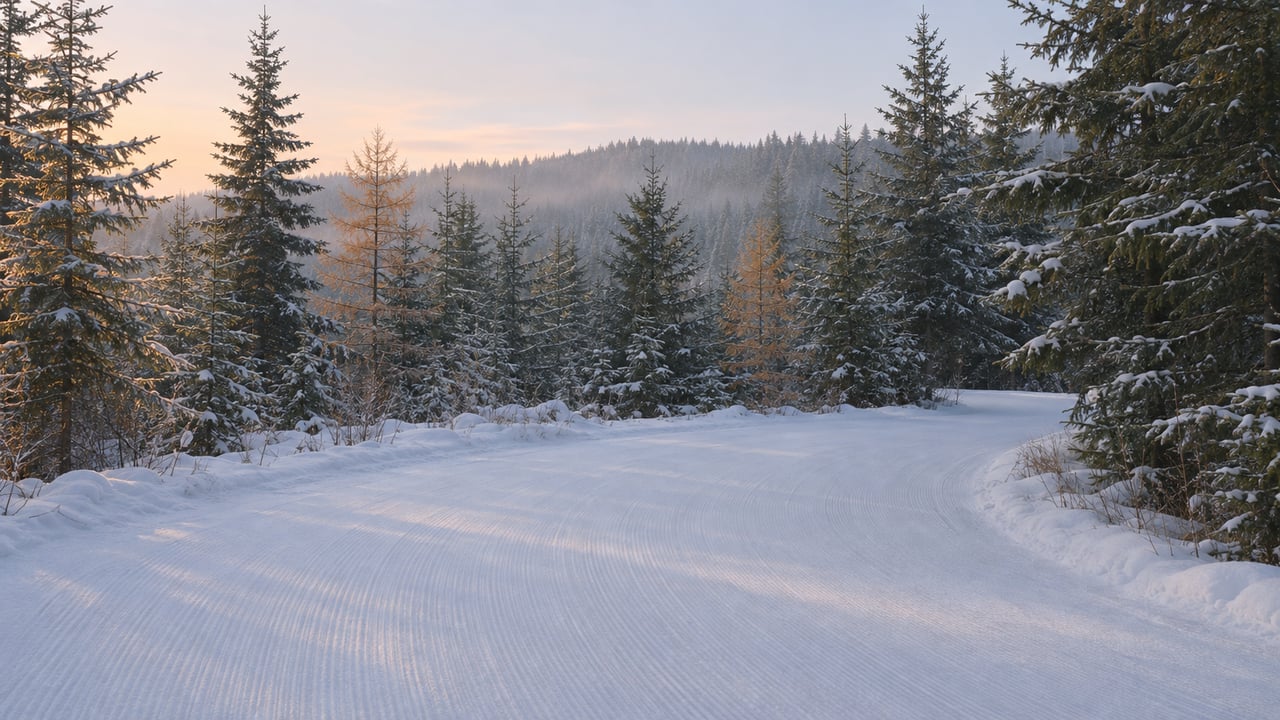
If you ride out of Libby, Troy, Eureka or Trout Creek, this winter's rules are the same ones you had last winter. Washington didn't hand down a new map. The things that change from one year to the next are snowfall and four volunteer snowmobile clubs that groom the trails with modest state grants.
Eleven years of planning, pulled because of the calendar
The plan's history matters because it shows how long riders have been waiting on it:
- April 2015: First scoping period for the over-snow plan.
- July 13 to Sept. 29, 2023: A second scoping and comment window.
- April 26, 2024: The Forest Service published its notice of intent, said it would not repeat scoping, and expected a draft EIS "early in 2025" and a final EIS "by summer of 2025."
- Oct. 14, 2026: The notice of intent was withdrawn.
Neither of the 2025 milestones happened. The withdrawal notice gives a one-line reason: the decision "is based on the length of time since the Notice of Intent was published," and "the project will be reinitiated at a later date." The Kootenai's own release says future planning will include public engagement. The forest's project page now lists the project as cancelled.
The underlying requirement didn't go away. Under the federal Travel Management Rule, the Forest Service has to designate the routes and areas open to over-snow vehicles, along with vehicle classes and seasons, and publish them on an Over-Snow Vehicle Use Map. The Kootenai also launched this plan to carry out terms of the biological opinion attached to its forest plan and to comply with the 2015 Land Management Plan. The work is paused. It hasn't been dropped.
What the withdrawn proposal would have changed
The 2024 proposal is worth knowing because it shows the direction the next version could take. It covered the Libby, Cabinet, Three Rivers, Fortine and Rexford ranger districts. It took in about 1.302 million acres and 380 trail miles.
The proposal divided that acreage into two seasons. About 987,000 acres would have been open Dec. 1 through May 31. The other 315,000 acres or so would have been open Dec. 1 through March 31, closing then for grizzly den emergence. It also considered changes to Management Area 5a, the forest's year-round non-motorized backcountry category. And it called for analyzing effects on grizzly bears, wolverines, lynx and whitebark pine.
None of this is in effect. You may hear the March 31 date at a trailhead this winter. It belonged to a proposal that was never adopted, and it isn't this season's rule. The Western News described it the same way when the notice came out in April 2024, calling it a designation proposal, not a decision.
The rules riders actually have this winter
The restrictions that apply this winter come mostly from the 2015 Kootenai Forest Plan. Its Record of Decision authorized a closure order restricting over-snow motorized use on 42,200 acres and 47 trail miles. Those acres are in Research Natural Areas and in the Scotchman Peaks, Roderick and Cabinet Additions recommended wilderness. The same decision lifted an older over-snow closure on 15,600 acres. Those acres had been closed under the 1987 forest plan's wilderness recommendations and weren't recommended for wilderness in 2015.
The forest's Winter Sports page, last updated April 30, 2026, lists 232 miles of designated groomed snowmobile trails plus thousands of acres of open play areas. The Maps and Guides page was updated Oct. 21, 2026, and has the 2026 Visitor Map and 2026 Motor Vehicle Use Maps. Some local closures are more specific than any forest-wide document. The Troy Snowmobile Club says a closure map covers part of its riding area and sends riders to the Three Rivers Ranger District for information on other areas.
Until the plan restarts, you'll be working from those maps plus a phone call to the ranger district. Beyond that, how the season goes depends on who runs the groomers.
Four clubs, four trail systems, one state program
The forest's snowmobile trail list ties each groomed system to a local club working with Montana Fish, Wildlife & Parks. The list was last revised in November 2016, so take its mileage as a historical guide. The trail names and warming huts are still useful. FWP's 2025/26 grooming grant sheet shows what each club received last season.
| Club | Home base | Trail systems on the Forest Service list | Warming huts noted | 2025/26 FWP grooming grant |
|---|---|---|---|---|
| Ten Lakes Snowmobile Club | Eureka | Grave Creek, 35 groomed miles | None listed | $10,000 |
| Lincoln County Sno-Kats | Libby | Big Creek Baldy/East Fork Pipe Creek, 66 miles; Quartz Creek/Seventeen Mile, 47 miles | Near Big Creek Baldy | $8,700 |
| Troy Snowmobile Club | Troy | Keeler Creek, 16 miles; Spread Creek, 13 miles; Pete Creek, 18 miles, groomed intermittently; North Creek/Beetle Creek, 14 miles, groomed intermittently | Keeler Creek divide | $10,000 |
| Cabinet Ridge Riders | Trout Creek | Marten Creek/Stevens Ridge, 42 miles | Gem Peak Saddle | $10,000 |
The Troy club's own trail pages fill in the connections. Its route SNO748, called Whitetail, is a groomed three-mile connector between Spread Creek and Pete Creek.
Put the grants side by side. In 2025/26 the four clubs grooming this part of the Kootenai received $38,700 combined, about 8% of the $460,000 FWP awarded statewide for grooming. The West Yellowstone Chamber of Commerce received $85,000 by itself. The Flathead Snowmobile Association in Kalispell received $21,000. Lincoln County's groomed miles run on small budgets and volunteer hours.
The money comes from riders. FWP says Montana has more than 4,000 groomed trail miles, groomed by clubs or chambers on state grants. Those grants are funded by snowmobile gas-tax refunds and decal fees. According to the agency's grant program page, the money also pays for groomer purchases and repairs, safety education, public outreach and enforcement. So part of the trail pass on your sled ends up paying for grooming on Grave Creek or Keeler Creek.
Coming off a thin winter
Last season gave these clubs little to work with. The Montana Snowmobile Association's March 2026 newsletter described the 2025/26 season as one that "may not have delivered the snowfall we all hoped for." It said rides were canceled and "trails stayed quiet longer than we liked." In Troy, the club's own site said rides would be listed "as the season matured," depending on weather and snow.
So the start of the 2026/27 season will depend on snowfall and on when each club gets its groomer out. Federal policy isn't part of that this year. Here's how to get ready before the first good storm:
- Get your trail pass now. Under FWP's current rules, residents need a one-time registration plus a $20 resident trail pass that covers two seasons. Nonresidents pay $35 per machine for one season.
- Allow time for the decal. Vendors no longer sell decals. Ones bought online or through FWP's ambassador program can take up to two weeks to arrive, and in the meantime your purchase receipt or the FWP app serves as proof.
- Check the 2026 Motor Vehicle Use Map and the Winter Sports page for the drainage you plan to ride.
- Call the ranger district for local closures. That means Three Rivers for Troy-area riding and Rexford/Fortine for riding around Eureka. The Kootenai Supervisor's Office in Libby is at 406-293-6211.
- Follow your club. Grooming reports and group ride dates come from the Ten Lakes club, the Sno-Kats, the Troy club and the Cabinet Ridge Riders. Paying dues to one of them puts money straight into the trails you ride.
The fees and registration rules above are general information, not legal or financial advice. Check FWP's current requirements for your own machines before you head out.
The over-snow plan will come back at some point, and when it does the Kootenai will hold another public comment period. If you're thinking about a cabin or acreage near Libby, Troy or Eureka, and being close to Keeler Creek, Grave Creek or Big Creek Baldy matters to you, Nelson Schwab can help you weigh access, roads and winter travel for a specific property. Schedule a free consultation and bring your trail map.